Looking at the impact of climate change on the home pitches of our first-team players. This time it’s Australia captain and UEFA Champions League winning defender Steph Catley.
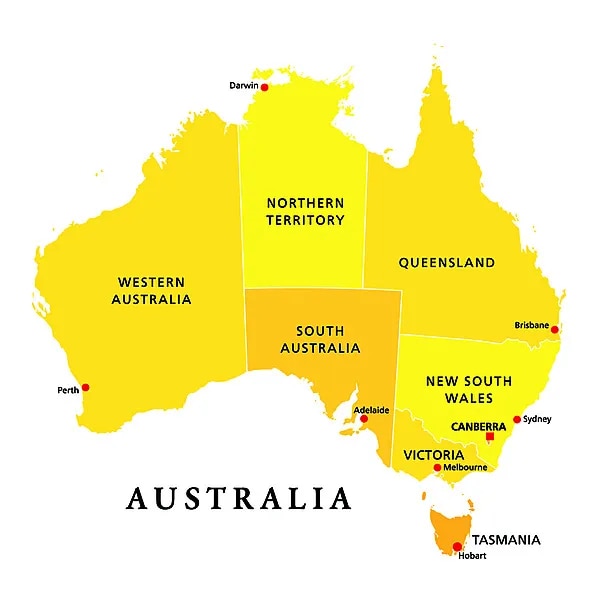
Steph began her football journey in Melbourne, joining her first team – East Bentleigh – aged six, as the only girl in the squad. Catley developed at Sandringham SC before making her senior debut with Melbourne Victory as a teenager. After a spell in the US at Portland Thorns and Orlando Pride she returned to Australia to captain Melbourne City. In 2020, she joined Arsenal and, after excelling at left back, moved into a central defensive role last season. She was a crucial member of our UEFA Women’s Champions League team, and she currently has 143 caps for Australia.
Australia is getting hotter and experiencing more extreme heat. Since 1950, every decade has been warmer than the decade before. Climate change is intensifying extreme weather events. Heatwaves, heavy rainfall events and bushfire-prone conditions have increased, while southern Australia is experiencing declining rainfall and more frequent drought. Despite that, Australia is considered to be one of the countries least vulnerable to the impacts of climate change (168th of 187) and most well positioned to adapt to more extreme weather (7th of 187).
Extreme heat
The ten hottest years on record in Australia have all occurred since Catley joined her first football team at East Bentleigh. On the site of her home pitch, heat is projected to reach disruptive levels on two days each year by 2040 and 14 days by 2100; four days will exceed safe play limits annually by 2100. Temperatures are projected to rise, with average annual temperatures expected to be seven per cent higher in 2040. Drought water stress is already medium-high, and this is projected to increase by 2040 and become extremely high by 2100.
Extreme weather events
More extreme and unpredictable weather events are expected, which will be even more disruptive to football. The level of rainfall experienced during a ten-year extreme event, which already leaves the pitch unplayable, is predicted to rise by seven per cent by 2040 – increasing 39 per cent by 2100.
Pitches in peril
Grassroots pitches around the world are facing escalating climate hazards - including where Steph Catley learned to play the game. Extreme weather is changing the game, which puts the future of football at risk. By understanding the risks, we can prepare together and make sure everyone can keep enjoying football here and in our community for generations to come.